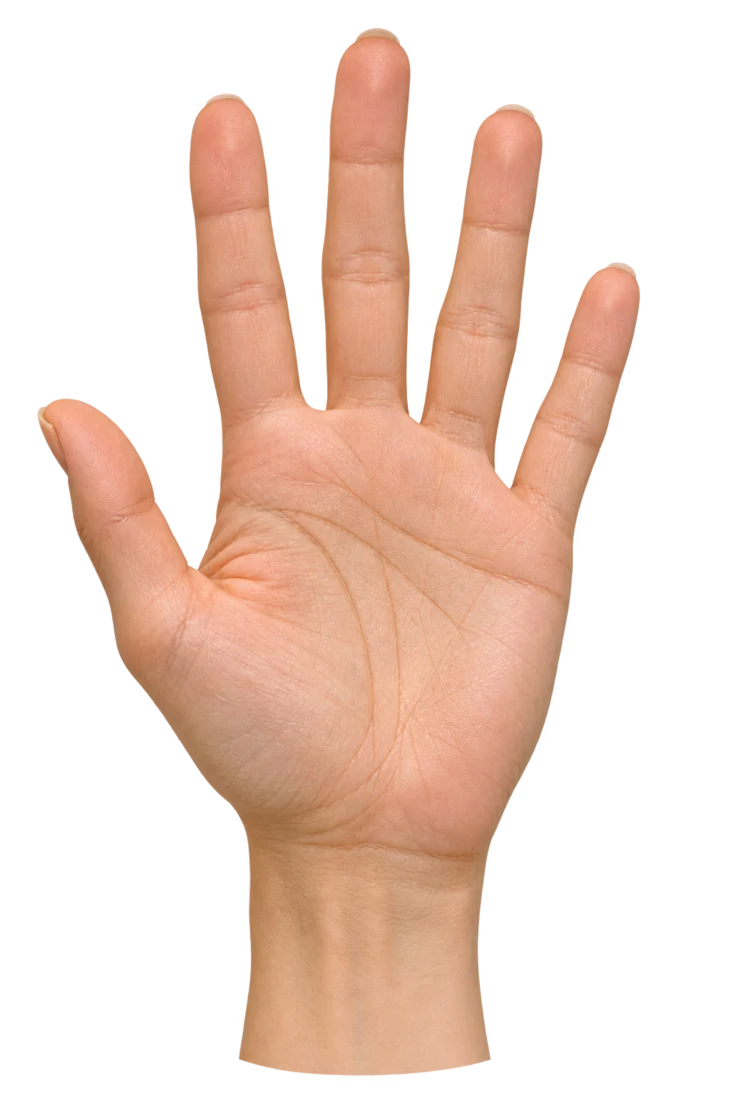
Meridians
Trace the main meridians and learn how traditional Eastern medicine describes their relationship to the internal organs.

ONLINE COURSE
Study human anatomy alongside traditional Tibetan medicine. Explore how practitioners describe meridians and learn to locate acupuncture points.
Traditional Eastern approaches to health look at the whole person. You’ll explore what balance means in these traditions and study how practitioners work with acupuncture points.
Learn how traditional Tibetan medicine views health and how its practitioners explain illness.
Trace the main meridians and learn how traditional Eastern medicine describes their relationship to the internal organs.
Learn to locate key points on the body and study the safety principles behind acupressure, heat and the use of specialist equipment.
Discuss how food, rest and daily routines can fit into your approach to wellbeing and managing stress.
Explore how traditional Tibetan medicine describes the relationship between your daily habits, your emotions and how you feel.
Use anatomical landmarks to find acupuncture points and learn when a technique may be unsafe.
Explore ways to make time for rest and relaxation in everyday life.
Your instructors specialise in Tibetan medicine and acupuncture. They trained in China with teachers whose knowledge has been passed down through generations.
The course team says its instructors have over 20 years of practical experience and have worked with more than 5,000 people in Ukraine and abroad.
We explain these ideas in plain language.
The course pairs traditional Eastern philosophy with practical lessons on anatomy and acupuncture points.
Ask about course dates and fees.Reserve your placeGet in touch for the full course outline and the early-bird rate.Let Vita know which topics matter most to you.
Ask when the next course starts, whether places are available and how much it costs.
No. The course starts with the basics and works up to more advanced topics. Only a suitably trained practitioner should perform acupuncture needling.
Yes. Your instructors show you how to find points on a model using anatomical landmarks. You’ll receive detailed diagrams so you can follow along.
You’ll find the recording in your course account, ready to watch in your own time.
The course covers the principle of doing no harm, contraindications and safety. Using needles or heat on your own can cause injury. Discuss practical procedures with a qualified practitioner.
Start with a notebook and internet access. Your instructor will provide a list of recommended materials for lessons on warming techniques or special equipment.
Seek medical advice for diagnosis and treatment. The course is educational and introduces Eastern approaches to wellbeing.
Allow three to four hours a week to watch the lessons and work through the activities.
The course covers the location of acupuncture points and traditional ideas about meridians. In your practice, use only the techniques you’re qualified to offer.
Leave your contact details and we’ll get back to you to answer your questions and help you register.
Write to us